Stem Cell Therapy Recovery Timeline: What Patients Should Expect
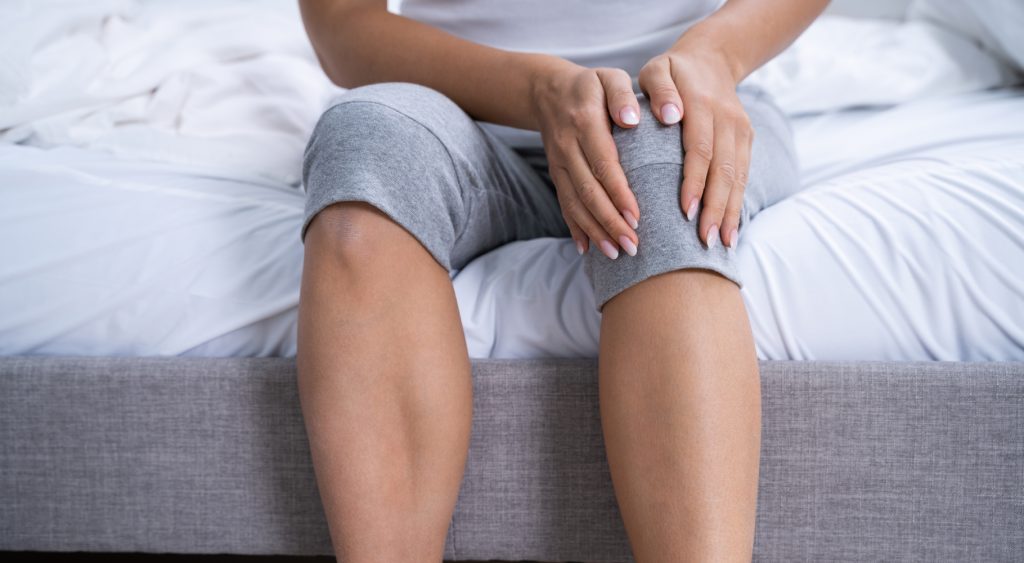
Stem cell therapy attracts attention for understandable reasons. Patients hear about repair, regeneration, and the possibility of improving function without major surgery. What many do not hear, at least not clearly enough, is that recovery has its own rhythm. It is rarely instantaneous. In most cases, the days and weeks after treatment matter just as much as the procedure itself.
That timeline can feel confusing because stem cell therapy is not a single, uniform treatment. A patient receiving an injection for knee osteoarthritis, another being treated for a tendon injury, and a third participating in a more specialized medical program may all have very different recovery instructions and milestones. Even within orthopedic and sports medicine practice, where many people encounter this therapy, the experience varies depending on the tissue involved, the source of the cells, the injection technique, the patient’s baseline health, and the demands placed on the treated area afterward.
The most useful expectation is not that recovery follows a perfect calendar, but that it tends to unfold in phases. There is often an early inflammatory period, then a slower rebuilding period, and only after that a more meaningful functional phase where patients start judging whether pain, mobility, or strength are truly improving. Knowing that sequence helps people avoid two common mistakes: worrying too early that the treatment failed, or doing too much too soon because the first week felt manageable.
Why the recovery timeline is not the same for everyone
A patient’s recovery after stem cell therapy is shaped by biology and by mechanics. Biology determines how the treated tissue responds. Mechanics determine what that tissue must endure during daily life. Cartilage in a knee that carries body weight all day recovers under different circumstances than a partial tendon injury in an elbow. A person in their early forties who exercises regularly, sleeps well, and has no metabolic disease often recovers differently than someone older with diabetes, smoking history, poor circulation, or longstanding inflammation.
Technique also matters. Some treatments involve simple injections, often ultrasound-guided or fluoroscopy-guided. Others are paired with procedures such as microfracture, arthroscopy, or a structured rehab protocol. Some clinics use a patient’s own cells, while others work within different regulatory frameworks and product types depending on country and indication. For patients, the practical takeaway is simple: never compare your recovery day-for-day with another person’s internet story unless the diagnosis, treatment method, and aftercare were nearly identical.
There is another reason timelines vary. Stem cell therapy does not work like a numbing medication or a steroid injection. Pain relief, when it happens, may come gradually. A patient may even feel temporarily more sore before feeling better. That can be unsettling, especially if someone expected a dramatic change within a few days.
The first 24 to 72 hours: usually more quiet than dramatic
The first few days are often anticlimactic. Patients sometimes expect to feel something remarkable right away. More often, the early period is defined by soreness, stiffness, mild swelling, and a need to protect the treated area. If the injection was placed into a joint, there may be fullness or pressure. If a tendon or ligament was treated, localized tenderness can be more noticeable than the original pain for a short stretch.
This early reaction is not necessarily a bad sign. In fact, many regenerative protocols intentionally rely on a measured inflammatory response as part of the healing environment. That said, clinicians need to distinguish expected soreness from complications. Mild aching and restricted movement can be normal. Fever, rapidly worsening redness, severe escalating pain, drainage, or marked swelling deserve prompt medical review.
Patients often ask whether they should rest completely. Total rest is not always ideal. In many musculoskeletal cases, relative rest is the better concept. That means protecting the area from overload without becoming unnecessarily immobile. A knee injection may call for reduced weight-bearing or temporary activity limits, but not necessarily bed rest. An upper extremity procedure may require avoiding lifting, gripping, or repetitive motion while still allowing gentle daily use.
Ice, if permitted by the treating clinician, can help with post-procedure soreness, though some practices limit anti-inflammatory measures depending on the treatment strategy. Nonsteroidal anti-inflammatory drugs are another point where instructions differ. Some clinicians avoid them for a period after stem cell therapy because they do not want to blunt the intended inflammatory signaling. Others may allow them selectively. This is one of those areas where generic internet advice causes trouble. The treating team’s protocol should take priority.
The first two weeks: protection, patience, and avoiding false readings
During the first one to two weeks, many patients hover between optimism and doubt. They may notice small improvements in one area, then have a discouraging flare after a longer walk, a day at work, or poor sleep. This back-and-forth is common. Healing tissue does not progress in a straight line.
For orthopedic uses of stem cell therapy, this is often the phase when clinicians emphasize movement quality over movement quantity. A patient with a knee issue might be encouraged to work on gait symmetry, gentle range of motion, and swelling control rather than trying to test endurance. Someone treated for a shoulder tendon problem might begin carefully prescribed mobility work without pushing into pain. If the intervention involved the spine, hip, or a more complex pain pattern, the guidance may be even more individualized.
A frequent mistake in this period is overinterpreting pain. If pain drops quickly, patients can assume the problem is fixed and resume too much activity. If pain persists, they may assume the treatment did nothing. Both assumptions are premature. In actual practice, early pain levels tell only part of the story. Function, tolerance to loading, and response over time matter more.
The first two weeks are also where practical life issues become obvious. Desk workers may return quickly but struggle with prolonged sitting if a back, hip, or sacroiliac region was treated. Teachers, retail workers, and nurses often find recovery harder because their jobs do not allow the body much negotiation. Parents of small children face another challenge entirely. It is one thing to avoid stairs and lifting in theory, another to do it with a toddler in the house.
Weeks two through six: the middle phase that requires discipline
This is usually the least glamorous part of recovery and, in many cases, the most important. The procedure is over, the immediate soreness may have calmed, but the final outcome is not yet obvious. Patients are asked to stay engaged without demanding quick proof.
In this middle phase, gradual rehabilitation becomes central. For a joint, that may mean restoring range of motion, building tolerance for low-load activity, and reducing compensatory patterns. For a tendon, it often means introducing progressive loading at the right time, not too early and not too late. That timing matters. Tendons, in particular, respond poorly to both neglect and reckless enthusiasm.
A useful way to think about this stage is that symptom improvement and tissue recovery are related, but not identical. A patient can feel somewhat better before the tissue is ready for full stress. Another can still feel stiff or achy while important healing changes are underway. This mismatch is why follow-up matters. The experienced clinician is not just asking, “Does it hurt?” They are also asking, “How does it respond to load, how long does soreness last, what activities trigger it, and are you moving more normally than before?”
For many patients, weeks three through six bring the first meaningful signs of direction. Those signs might include waking with less stiffness, walking farther before pain starts, needing fewer modifications during the workday, or noticing that a familiar movement no longer provokes the same sharp response. These changes are often subtle at first. Real recovery tends to enter through the side door rather than the front gate.
The months that follow: when outcomes become clearer
By the one- to three-month mark, patterns are usually easier to interpret. Not final in every case, but clearer. Patients who are responding well often report steadier function, fewer pain spikes, and better confidence in the treated body part. They may not feel perfect, but they are less preoccupied with every step, reach, or squat.
This period is also when rehab often shifts from protection to rebuilding. Strength, balance, joint control, stem cell therapy benefits and activity-specific tolerance become more important. For an athlete, that might mean return-to-run progression or sport-specific drills. For a nonathlete, it may simply mean getting through a full workweek, climbing stairs normally, gardening, traveling, or carrying groceries without a setback.
The timeline can stretch further in slower-healing tissues. Cartilage-related symptoms and chronic tendon pathology often demand more patience than a simple soft tissue strain. Older patients or those with longstanding degeneration may improve, but at a slower rate and sometimes to a more modest degree. That does not mean treatment failed. It means regenerative medicine still works within the limits of the tissue and the body it is treating.
A point worth stressing here: many disappointments are not caused by the procedure alone. They result from a mismatch between the treatment and the underlying condition. Advanced mechanical arthritis, large structural tears, severe instability, or deformity may not respond as hoped to injections alone. Stem cell therapy can be valuable, but it is not magic, and the best clinicians are usually the ones who say that plainly.
What patients commonly feel, and what those feelings usually mean
Patients tend to look for emotional certainty from physical symptoms. Recovery rarely provides it. There may be days where things feel better, followed by a flare after an ordinary activity. A patient may feel discouraged in week three, then realize in week six that they are moving more freely than they were before treatment. This uneven pattern is common enough that I often advise people to track trends rather than moments.
A simple journal can help. Not pages of analysis, just short notes on pain level, stiffness, walking tolerance, swelling, sleep, and activity response. Without that record, people remember the worst day and forget the small gains. A patient with plantar fascia treatment, for example, may insist nothing changed until they realize they stopped dreading the first steps each morning. A person treated for elbow tendinopathy may focus on tenderness at the gym while overlooking that they can now type, cook, and lift a bag without the old ache.
This is one reason follow-up visits are useful even when there is no crisis. Good follow-up frames the recovery story accurately. It gives context to temporary setbacks and helps prevent unnecessary panic or premature declarations of success.
Factors that can speed up or slow down recovery
Some influences are obvious, others less so. The body responds to more than the injection.
- The specific diagnosis and tissue involved often matter more than the procedure date. Tendons, cartilage, ligaments, and joints do not recover on the same schedule.
- Age, metabolic health, smoking status, sleep quality, and baseline conditioning can materially affect healing pace.
- Adherence to restrictions and rehabilitation is often decisive. Patients who “feel great” and overload the area early can lose ground quickly.
- Medications and comorbid conditions can alter inflammation, circulation, and tissue response.
- The quality of patient selection matters. A well-chosen indication tends to produce a smoother, more interpretable recovery than a poor candidate treated out of desperation.
That final point deserves attention. Some clinics market stem cell therapy broadly, but broad marketing is not the same as careful medicine. A realistic pre-procedure evaluation should include imaging when appropriate, a discussion of alternatives, the chance that it may not help, and a practical account of downtime and rehab. Recovery is easier to manage when expectations were honest at the start.
Pain flares are common, but not all flares are equal
A pain flare after increased activity does not automatically mean harm. It may mean the tissue was asked to do more than it can currently tolerate. In rehabilitation terms, load exceeded capacity. The answer is often adjustment, not alarm. Shortening activity, modifying movement mechanics, spacing out workouts, or backing down for several days may settle things.
Still, some symptoms should not be brushed aside. Patients should contact their treating clinician promptly if they notice:
- fever, chills, drainage, or increasing redness around the treatment area
- severe swelling or pain that is escalating rather than slowly calming
- numbness, weakness, or neurologic changes that are new or worsening
- calf pain, chest symptoms, or shortness of breath
- an inability to bear weight or use the treated limb that is out of proportion to what they were told to expect
Most recoveries do not involve these problems, but clear thresholds reduce hesitation. Patients do better when they know the difference between a rough day and a true warning sign.
Returning to exercise, work, and normal life
One of the hardest conversations after stem cell therapy involves timing. People want dates. When can I run? When can I lift? When can I travel? When can I stop thinking about this?
There is no single answer, but there is a sensible framework. Return should be based on symptom response, objective function, and tissue demands. Walking pain-free for daily tasks is not the same as being ready for hill sprints. Having full shoulder range of motion is not the same as being ready for overhead pressing. Being able to sit through dinner does not mean a cross-country flight will be comfortable.
Work return usually depends on the gap between job demands and current capacity. A software engineer may resume earlier than a warehouse worker. A hairstylist with an elbow or shoulder procedure may discover that “light duty” is harder to achieve than expected. Travel can be manageable, but long sitting, luggage handling, and irregular sleep can trigger setbacks. These details sound mundane, yet they shape recovery more than most people anticipate.
For exercisers, the safest mindset is progression rather than testing. Instead of asking, “Can I do what I used to do?” ask, “What is the next tolerable step?” That shift prevents the classic boom-and-bust cycle where one good day leads to a hard workout and then a week of regret.
The role of rehabilitation after stem cell therapy
If there Stem Cell Therapy is one part of recovery that gets underestimated, it is rehab. Some patients view stem cell therapy as a substitute for rehabilitation. In real-world musculoskeletal care, it is usually better understood as part of a larger plan. The injection may influence the healing environment. Rehabilitation teaches the tissue, joint, and nervous system how to function better within that environment.
That can include mobility work, strength progression, balance training, gait retraining, motor control exercises, or changes in training volume and technique. It may also involve footwear, workstation adjustments, weight management, sleep improvement, and metabolic risk reduction. These are not glamorous additions. They are often the difference between temporary relief and durable improvement.
A patient with chronic patellar tendinopathy, for instance, may receive treatment and still fail if they return to jumping on a weak kinetic chain with poor landing mechanics. A person with knee degeneration may improve after injection but plateau if they never rebuild quadriceps strength and stop avoiding the affected leg. Biology helps, but behavior translates biology into function.
Setting expectations that are hopeful, but not naïve
Patients deserve optimism grounded in reality. A fair expectation after stem cell therapy is not immediate regeneration you can feel overnight. It is a gradual process in which soreness may come first, functional change often arrives before dramatic pain relief, and the most meaningful results may take weeks to months to judge. Some people improve substantially. Some improve modestly. Some do not respond enough to justify the effort and cost. Honest medicine leaves room for all three possibilities.
The best recoveries usually share a few traits. The diagnosis was sound. The treatment target made sense. The patient understood the timeline. Activity was advanced thoughtfully. Follow-up was available. Rehabilitation matched the tissue and the person’s actual life.
For patients considering or recovering from stem cell therapy, that is the clearest message: think in phases, not miracles. Respect the early quiet period, stay disciplined through the middle stretch, and judge progress by trend rather than by the emotional weather of any single day. Recovery is often slower than marketing suggests, but when expectations are set well and care is well chosen, it is also more understandable, more manageable, and far less mysterious.
Denver Regenerative Medicine | Stem Cell Therapy, HRT, Testosterone Clinic
Address: 155 Boardwalk Dr Ste 400 - #451, Fort Collins, CO 80525
Phone number: +17205831648
FAQ About Stem Cell Therapy Fort Collins
What are the negative side effects of stem cell therapy?
Stem cell therapy can cause mild short-term reactions like injection-site pain, fatigue, and low-grade fever. More serious risks include infection, immune system rejection, blood clots, unintended tissue growth or tumors, and severe complications from unproven treatments at unregulated clinics.
What diseases can stem cells cure?
Currently, stem cells routinely and effectively cure specific blood cancers, immune deficiencies, and blood disorders using established bone marrow or cord blood transplants. Most other applications—such as for Parkinson's, diabetes, or heart failure—remain experimental or in clinical trials rather than proven cures.
Do stem cell treatments really work?
Yes, stem cell treatments work, but only for a very specific group of conditions. Hematopoietic stem cell transplants (bone marrow transplants) are fully proven and widely used to treat blood cancers like leukemia and lymphoma. However, commercial stem cell treatments for joint pain, arthritis, and wrinkles are largely unproven, experimental, and costly.